
Accessible vs inclusive playgrounds: what’s the difference, and why it matters
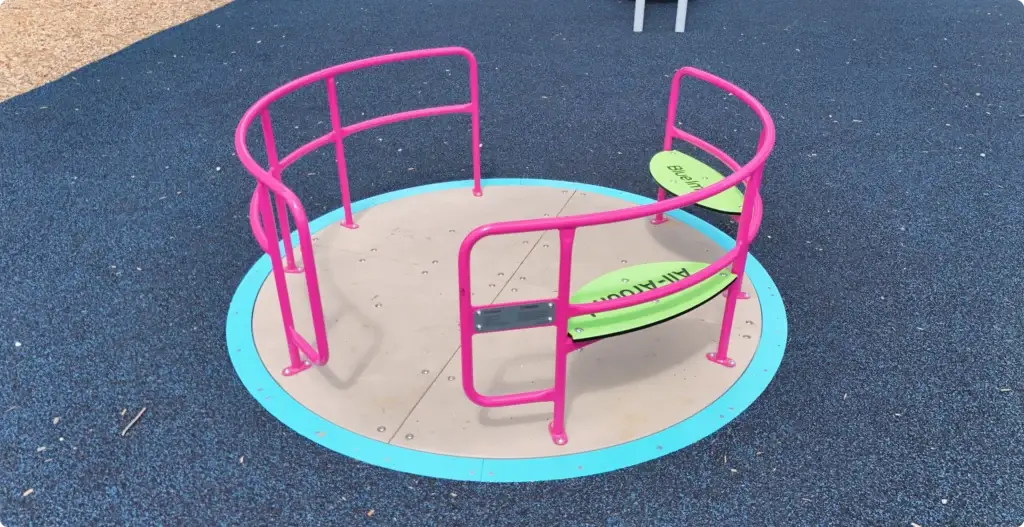
The best moment on a playground is the one where you can’t tell who’s who. That moment is designed, and mostly from decisions made early: where play sits, how the space connects, and what’s underfoot. Here’s how to make them well.
Poured-in-place rubber surfacing in BC: cost, lifespan, and grant eligibility
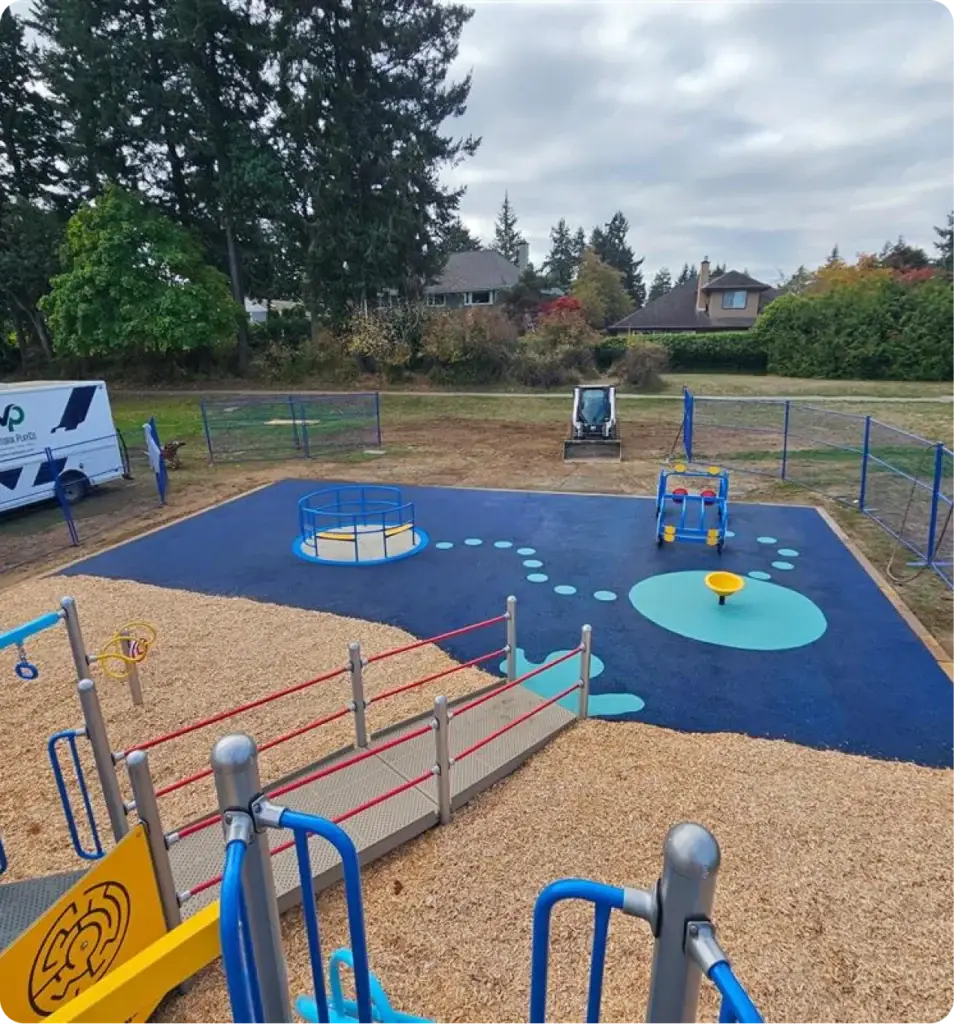
Poured-in-place rubber is a two-layer unitary safety surface built on site. Here’s what drives its cost, how long it lasts, why inclusive playgrounds need it, and how BC’s recycled-rubber grant funding works.
Daycare and early learning playground equipment: a BC buyer’s guide
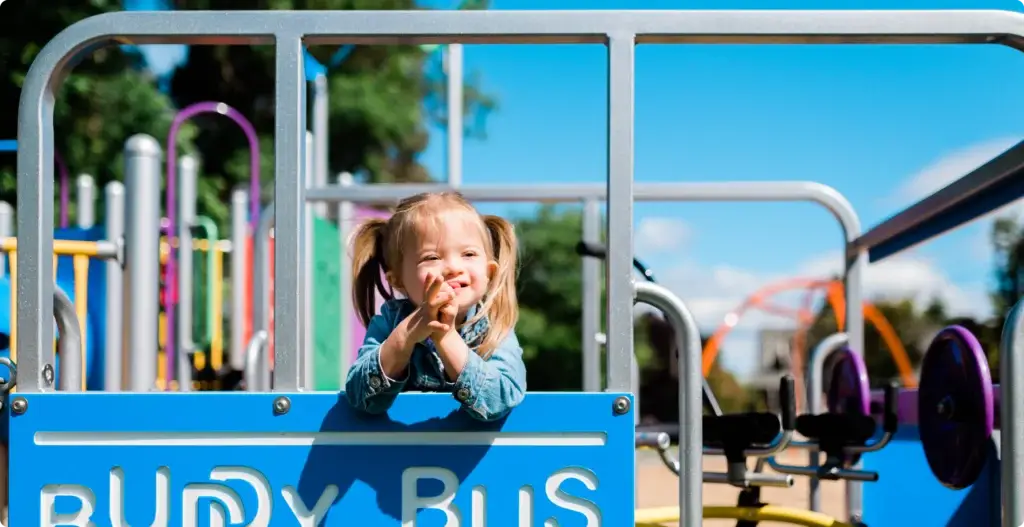
Daycare playgrounds aren’t small school playgrounds. Here’s what the CSA 18 months to 5 years age grouping means for your equipment choices, why low heights save money, and which BC grants actually apply to early learning centres.
Blue Imp playground equipment in BC: Canada’s oldest playground manufacturer
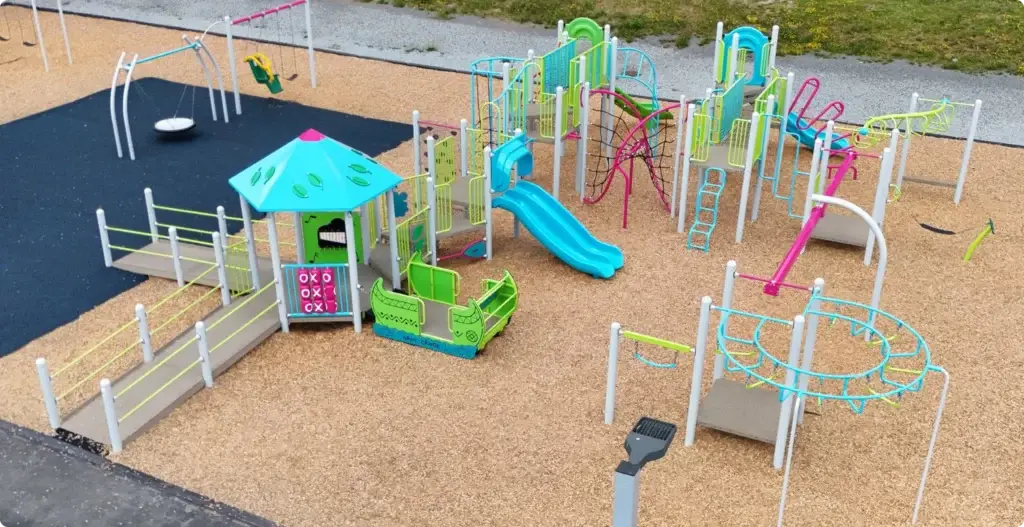
Blue Imp is Canada’s longest-standing playground manufacturer, built in Medicine Hat, Alberta and family-owned since 1917. Here’s what’s behind the brand, why Canadian manufacturing matters in 2026, and how to buy it in BC.
BC playground grants: the complete guide to PEP grants and playground funding (2026)
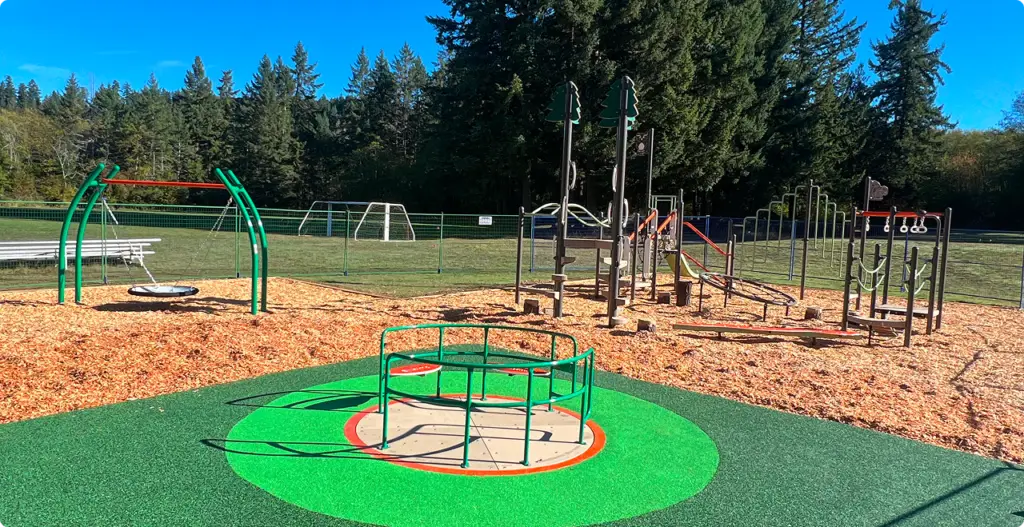
The Playground Equipment Program (PEP) is BC’s main school playground grant. In 2026, 25 schools received $200,000 each. Here’s how PEP works, who’s eligible, how districts apply, and what other funding is available, including Tire Stewardship BC and Community Gaming grants.
How much does a playground cost in BC? A realistic 2026 budget guide
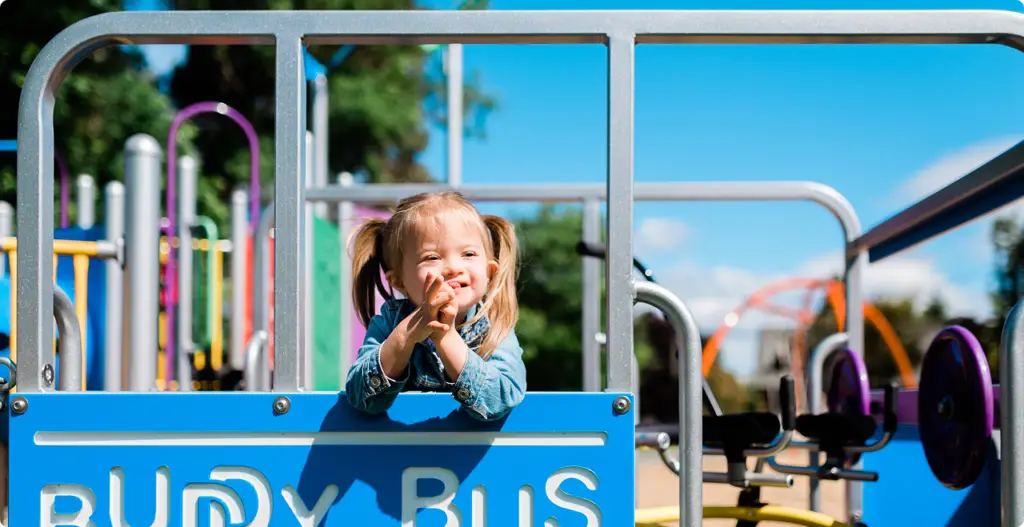
The clearest BC benchmark is the province’s own: $200,000 for a complete accessible school playground under the PEP grant. Here’s where the money goes, why surfacing is the most under-budgeted line item, and how grants change the math.
Choosing playground equipment for BC schools: a guide for PACs and administrators
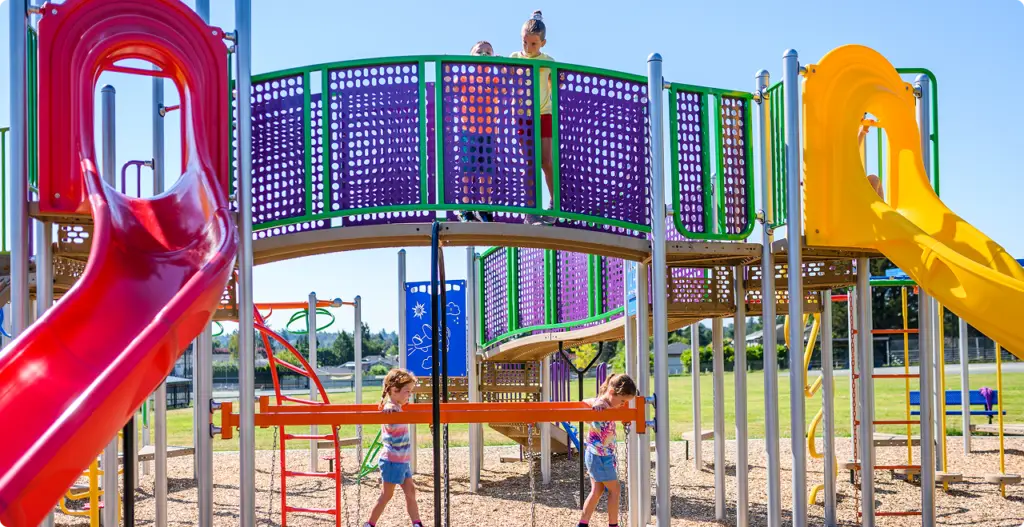
The right school playground equipment comes down to five decisions: age range, capacity, inclusion, durability, and sourcing. Here’s the framework we walk BC schools through.
Playground installation in BC: the process, the timeline, and how to choose an installer
A commercial playground installation runs through six stages, from site assessment to cured safety surfacing. Here’s what happens at each stage, where the time actually goes, the best season to build in BC, and six questions to ask any installer.
What Makes a Playground Truly Inclusive? From Equipment to Surfacing and Layout
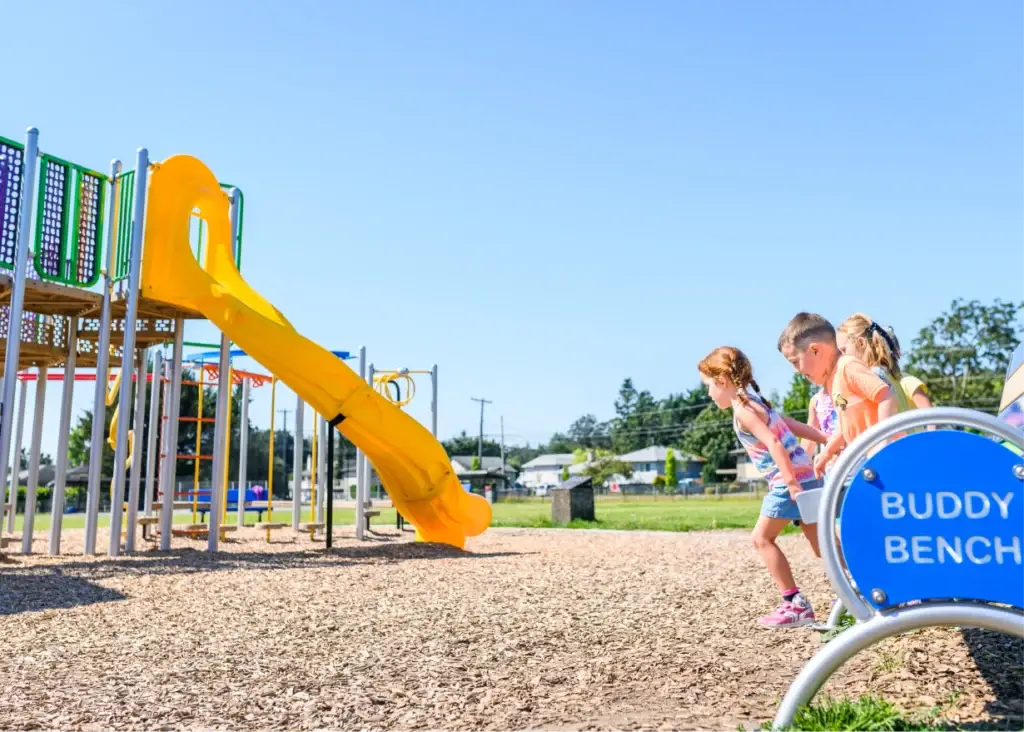
Introduction Inclusive playgrounds are often discussed, but the concept is not always fully understood. Many projects aim to be inclusive, yet fall short because the focus is placed on individual features instead of the entire experience. True inclusion is not created by adding a single accessible element. It comes from designing a space where more […]
Rubber Surfacing vs Wood Chips: Which Is Better for Playgrounds?
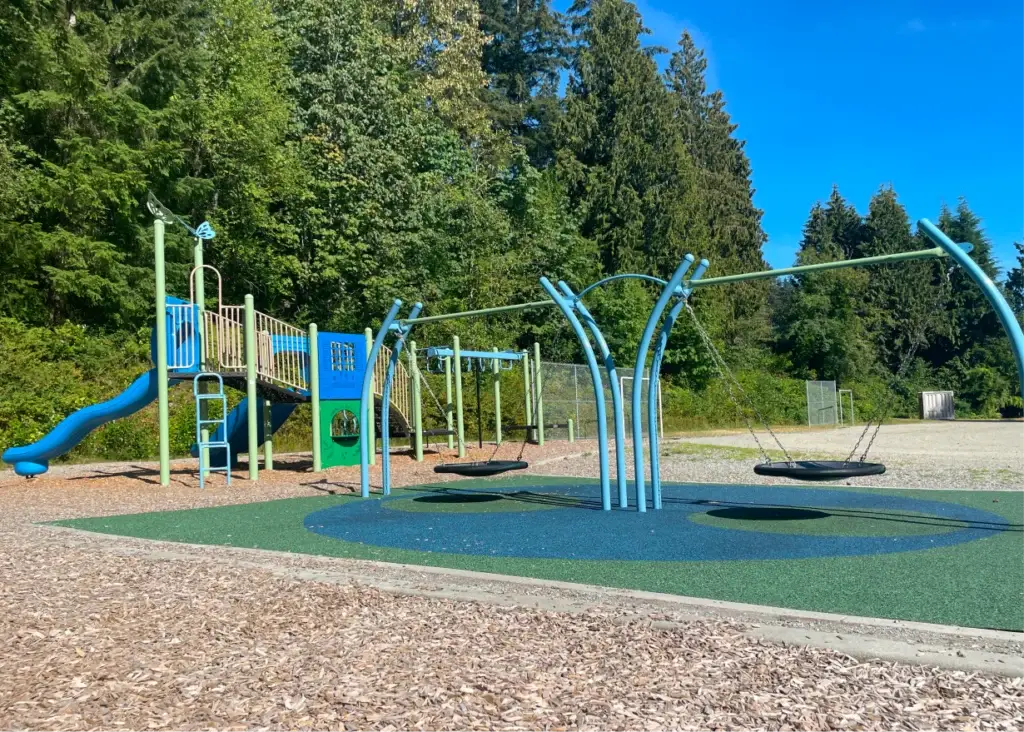
Introduction Choosing the right surfacing is one of the most important decisions in any playground project. While equipment often gets the most attention, surfacing plays a major role in safety, accessibility, and overall usability. Two of the most common options are rubber surfacing and wood chips. Each has its place, but they offer very different […]